
Cryogenic Treatment for Gun Barrels & Firearms
Every time you fire a round, the barrel, slide, and internals of your handgun absorb heat and stress that factory steel was never fully engineered to shrug off indefinitely. Cryogenic treatment changes that — and we put it to the test with 2,000 rounds, zero oil, and a handgun pushed to the edge of what it could handle.
The Problem: Heat, Stress, and Wear
Every firearm barrel and slide is manufactured under intense mechanical stress — forging, machining, and heat-treating all leave microscopic internal stresses locked into the metal. Add the repeated thermal cycling of live fire, especially during sustained or rapid shooting, and those stresses accelerate wear, promote micro-cracking, and shorten the working life of the parts that matter most to accuracy and reliability.
Most shooters compensate for this with frequent cleaning and heavy oiling. That helps — but it doesn't address the underlying metallurgy, and as we'll get to below, it introduces its own tradeoffs.
What Cryogenic Treatment, Micro-Dimpling & Dry Film Lubrication Actually Do
Cryogenic processing takes metal parts down to deep sub-zero temperatures in a controlled process, transforming the internal grain structure of the steel at a molecular level. This relieves the residual stress locked in during manufacturing and produces a more uniform, stable microstructure — the same process CTP has applied to industrial tooling, brake rotors, and precision components for decades.
For firearms, we pair that with two additional surface treatments, developed and refined through years of application to industrial and precision components:
- Micro-dimpling — a high-speed particle bombardment process that creates a controlled pattern of microscopic dimples across the surface, improving how the part manages friction and retains lubrication at a microscopic level.
- Dry film lubrication (DFL) — a lubricating layer applied directly onto the treated surface, reducing dependence on liquid oil for day-to-day protection.
Together on a firearm, this means the internals, controls, slide, and barrel all get a surface that's fundamentally more wear-resistant and self-lubricating — not just cleaner or better-oiled, but structurally different.
The Benefits for Shooters
- Reduced friction and wear between the slide, barrel, and frame over the life of the firearm
- Less dependence on oil for day-to-day lubrication, thanks to dry film lubrication built into the treated surface
- More consistent performance under sustained or rapid fire, when heat and friction are at their highest
- Extended service life for barrels and slides subjected to high round counts
Real-World Torture Test: 2,000 Rounds, Bone Dry, No Malfunctions
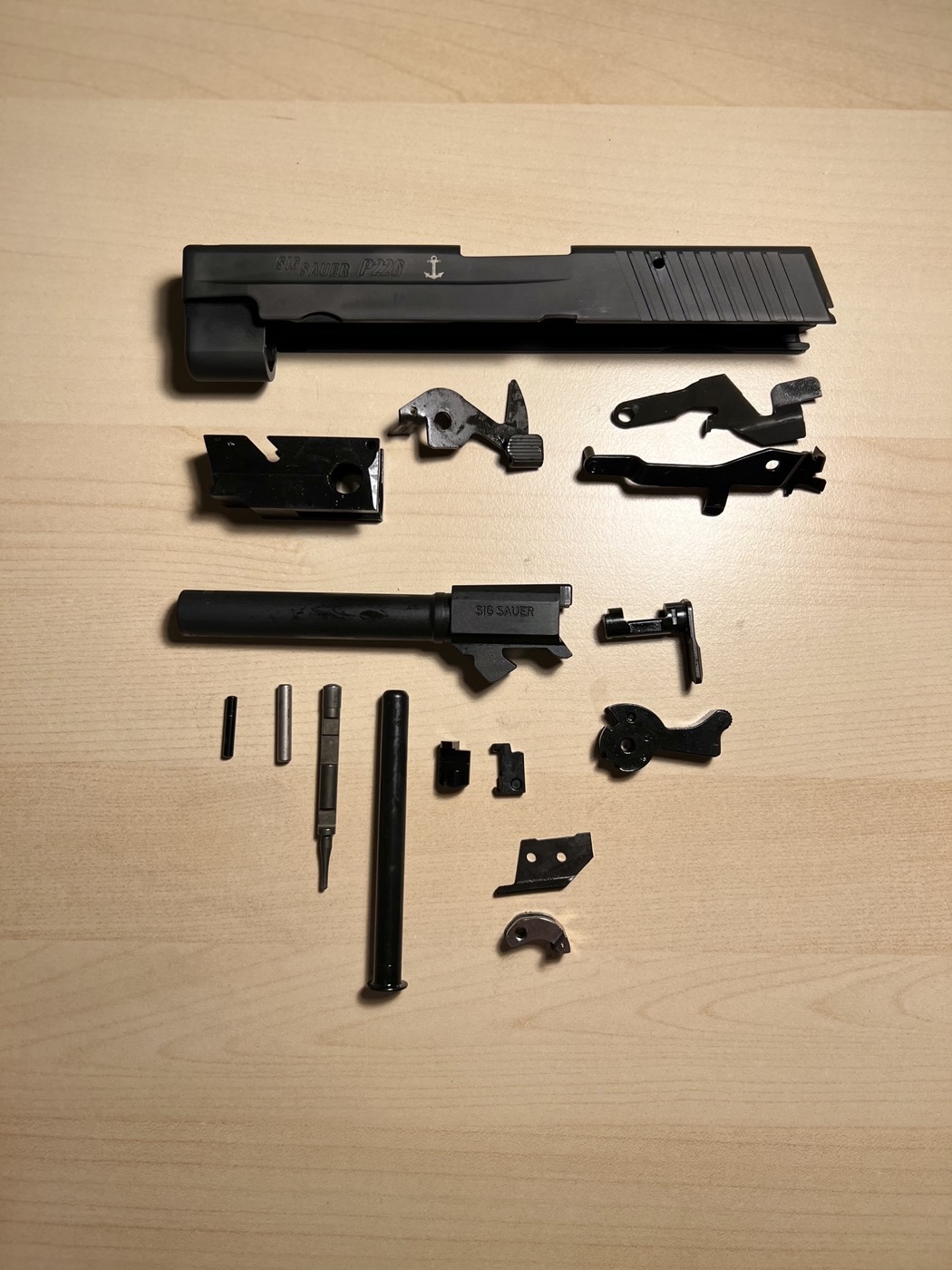
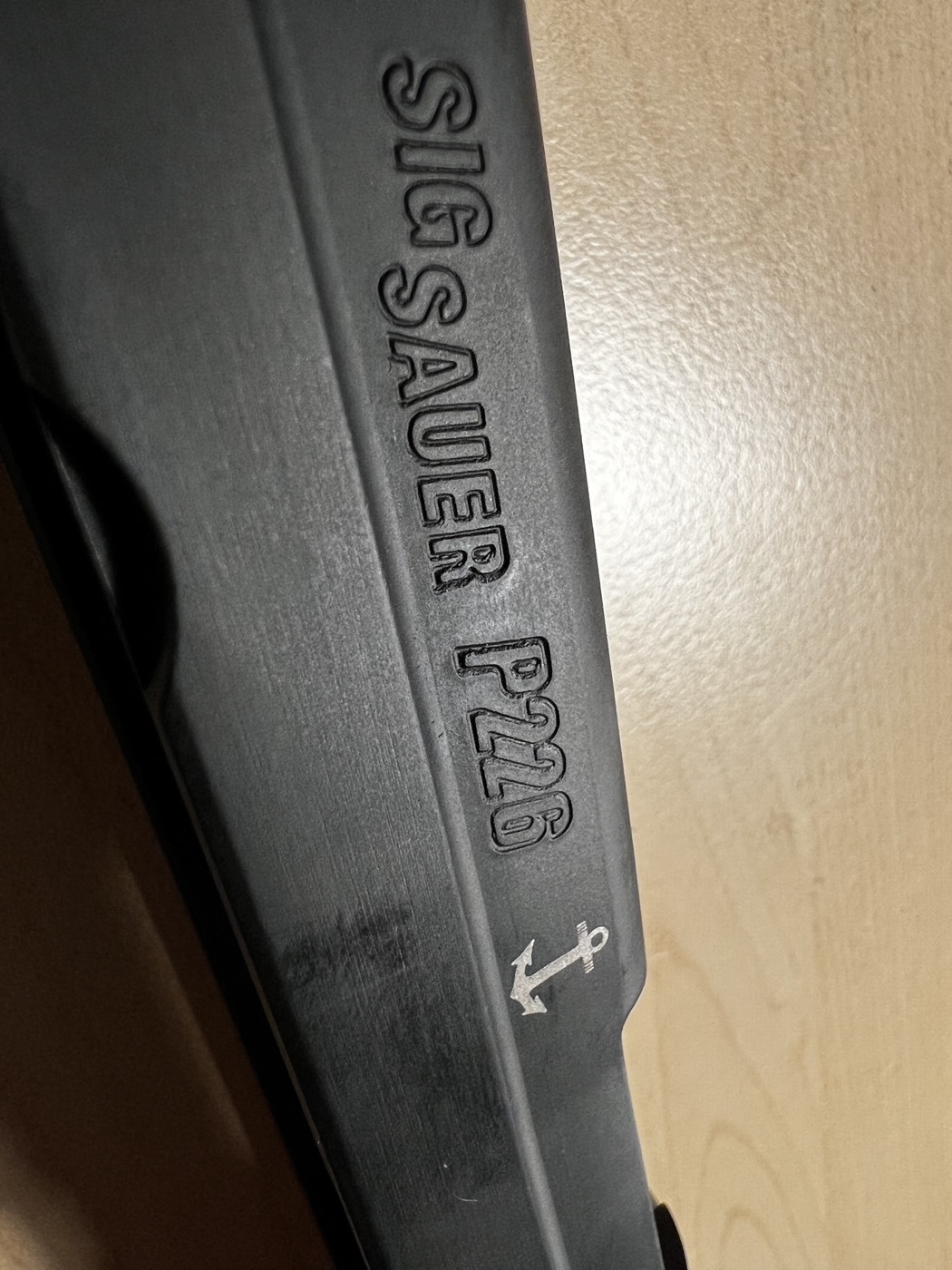
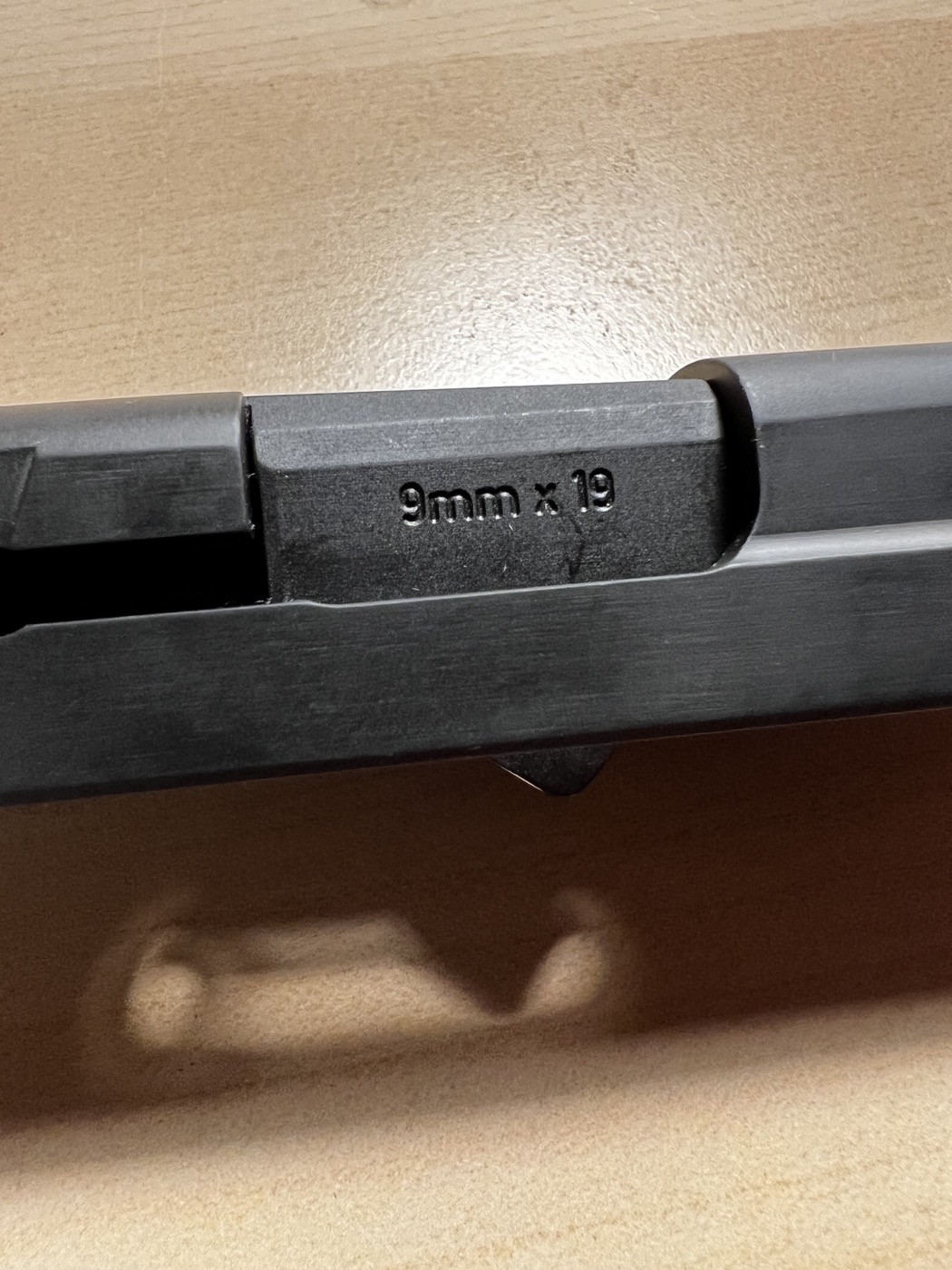
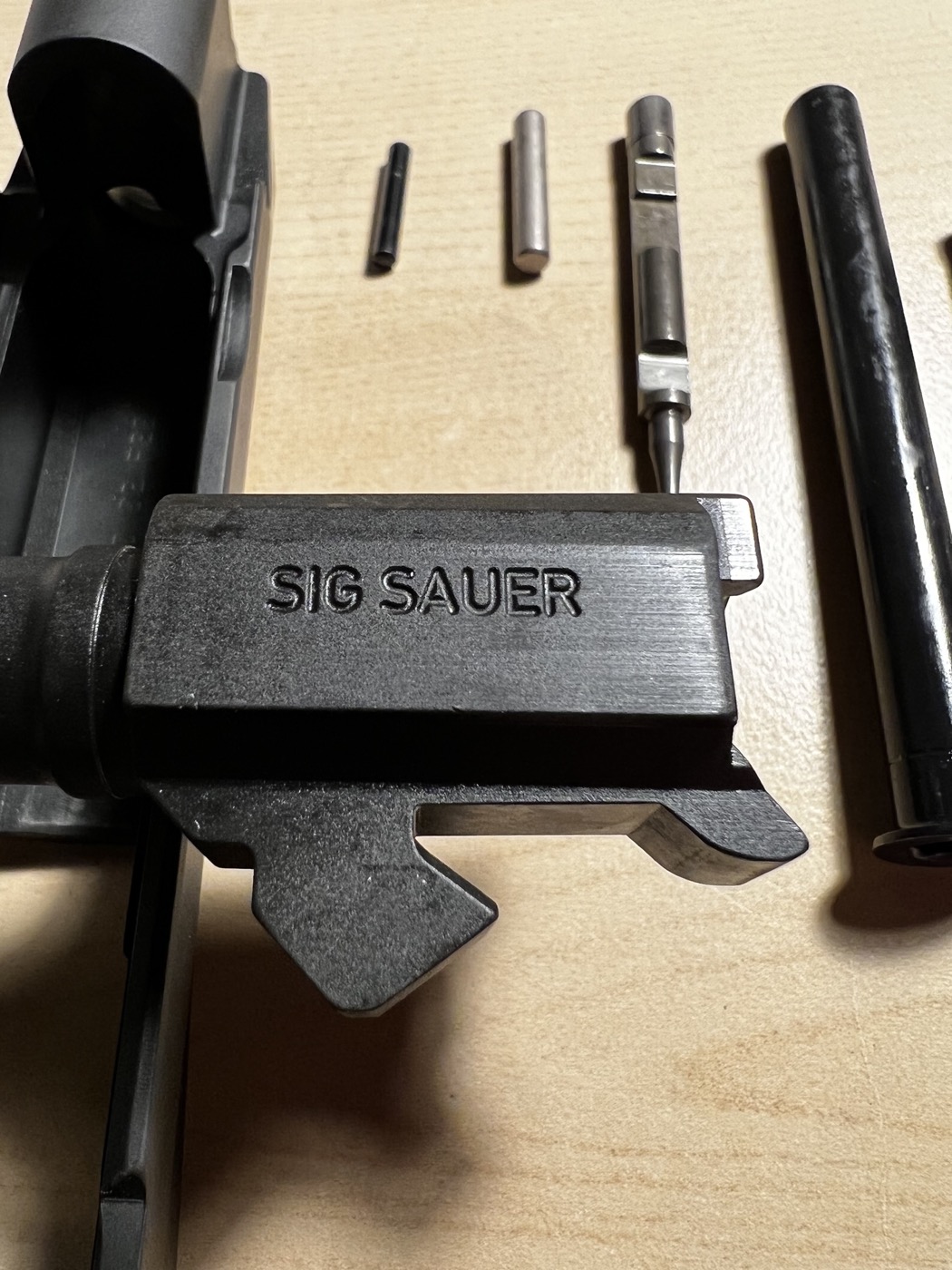
A full-size Sig Sauer duty pistol, fully stripped of factory grease, cryogenically treated, micro-dimpled, and finished with dry film lubrication — then run bone dry through 2,000 rounds of rapid fire with not a single drop of oil.
Before: Stripped Down and Treated
Every major wear surface — internals, controls, slide, and barrel — received the full treatment before reassembly. Here's what those parts looked like before the torture test began:
The Test
Fired rapid-fire in roughly 80°F heat, the gun became too hot to touch multiple times — requiring water cooling roughly seven to eight times just to keep shooting. No oil was used at any point.
Watch the Full Test
Video credit: Greta's Guns
The Result
No malfunctions from the primary shooter across the full 2,000 rounds. (A few failure-to-feeds occurred with a novice second shooter, resolved with a grip correction — worth noting for full accuracy, since it doesn't reflect the firearm or the treatment.)
The Teardown
Post-test inspection showed expected cosmetic wear on the barrel and slide-rail finish, but critically — no burrs, no gouges, nothing warped. The aluminum frame, softer than the steel slide and barrel, showed the most wear, which is expected material behavior rather than a treatment failure.
“I'd probably rate it 9 out of 10 — it performed extremely well… it never touched oil and it just ran 2,000 rounds realistically for the most part without a malfunction and almost no wear.”
— Mike Illy, Greta's Guns, who ran the test
Long-Term Care: Less Oil, Not No Oil
A dry film lubrication treatment dramatically reduces how much oil your firearm needs — but it doesn't mean abandoning maintenance altogether. For everyday carry and long-term use, we recommend continuing to oil your handgun, just far more sparingly than factory guidance suggests.
Excess oil is a magnet for dirt, dust, and carbon fouling — and that trapped grime, not lack of lubrication, is one of the most common causes of wear and malfunction in untreated firearms. A cryogenically treated, dry-film-lubricated gun needs a lighter touch: less oil, less buildup, less wear.
If you want the full reasoning behind that lighter touch — how oil, grease, and dry film lubricant actually differ, why grease is the wrong answer in dusty conditions, and how long a dry film really lasts before it wears through — we take it apart in gun oil vs. dry lubricant.
Frequently Asked Questions
Does cryogenic treatment mean I never have to oil my gun again?
No. It significantly reduces how much lubrication your firearm needs day-to-day, since dry film lubrication is built into the treated surface itself. We still recommend light, infrequent oiling for long-term care — see above for why.
Does cryogenic treatment void my firearm's warranty?
Check with your manufacturer directly, as policies vary. Cryogenic treatment does not involve any machining, coating removal, or alteration of the firearm's dimensions — it changes the internal grain structure of the metal itself.
Does this work on all firearm types and steel?
Cryogenic treatment is broadly compatible with the steel alloys used in most modern firearm barrels and slides, across pistols, revolvers, and rifles. Contact us with your specific model if you're unsure.
How long does the process take?
Contact us for current turnaround times — this varies based on order volume and whether micro-dimpling and DFL are included alongside the cryogenic treatment itself.
Ready to Get Your Firearm Treated?
Cryogenic treatment, micro-dimpling, and dry film lubrication — built for shooters who put their firearms through real use.